Kashmiri walnut grades: Kagzi, light, amber
Kagzi, light halves and amber kernels are the names on our walnut packs. What each one means, how it tastes and what to cook with it.
4 min read
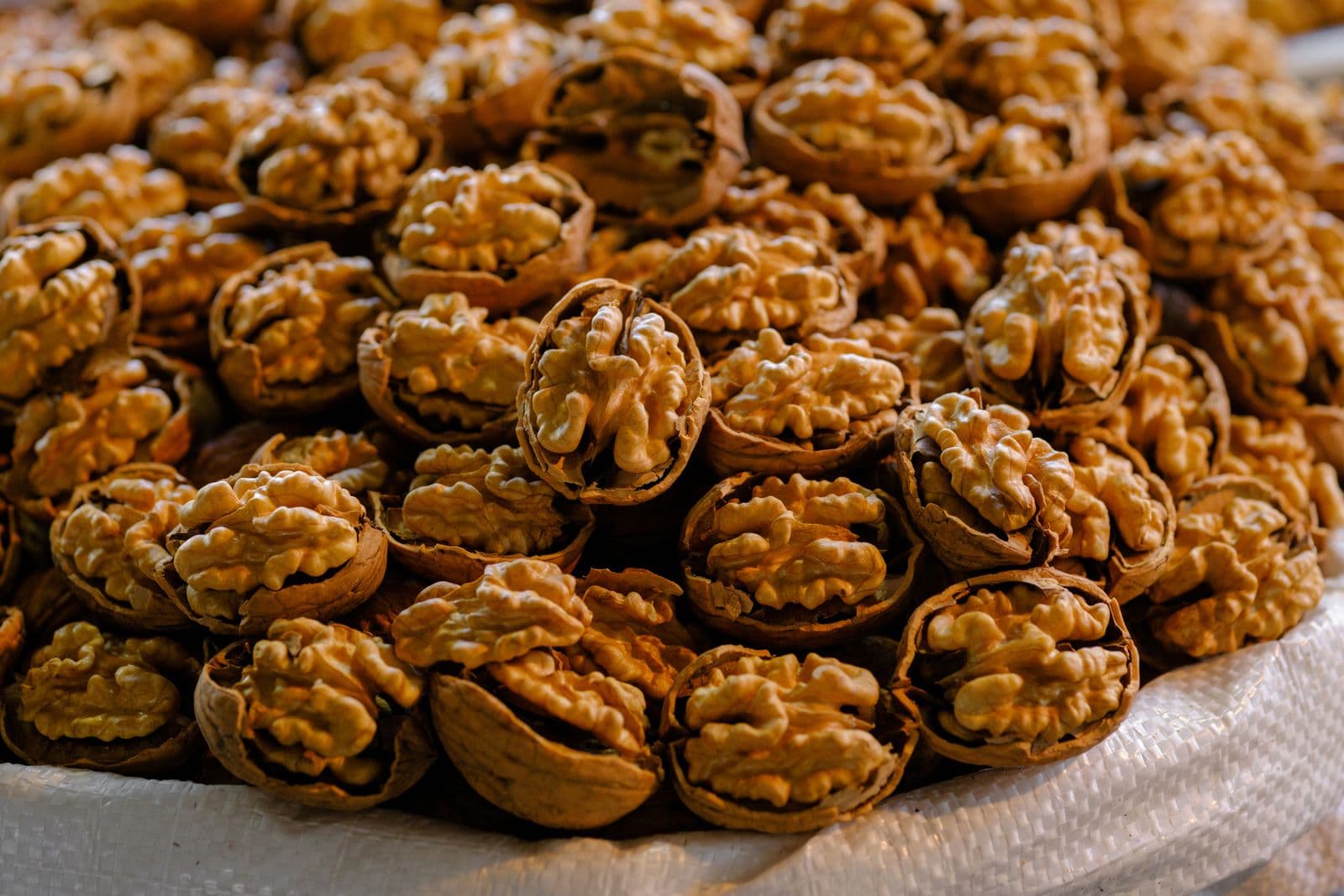
Kashmiri walnuts are sorted by shell and by kernel colour, and the names on our packs follow that sorting. If you have ever wondered why two bags of walnuts cost different amounts, this is the short answer: they are different grades, and each one suits a different job in the kitchen. Here is what the three names mean, in plain words, so you can pick the right pack from Harud Harvest.
Why walnuts are sorted at all
In the orchard villages of the valley, walnuts are picked in early autumn, dried in the sun and cracked by hand. One sack from an orchard holds nuts of every kind: thin shells and thick ones, kernels as pale as cream and kernels a deep brown. Sorting them is slow, careful work, and it is the reason a pack of walnuts looks even from top to bottom. Every order we send is graded, weighed and packed in Baghwanpora, Srinagar, before it leaves the valley.
Two things decide the grade. The first is the shell, for walnuts sold whole. The second is the colour of the kernel, for walnuts sold shelled.
Kagzi: the paper shell
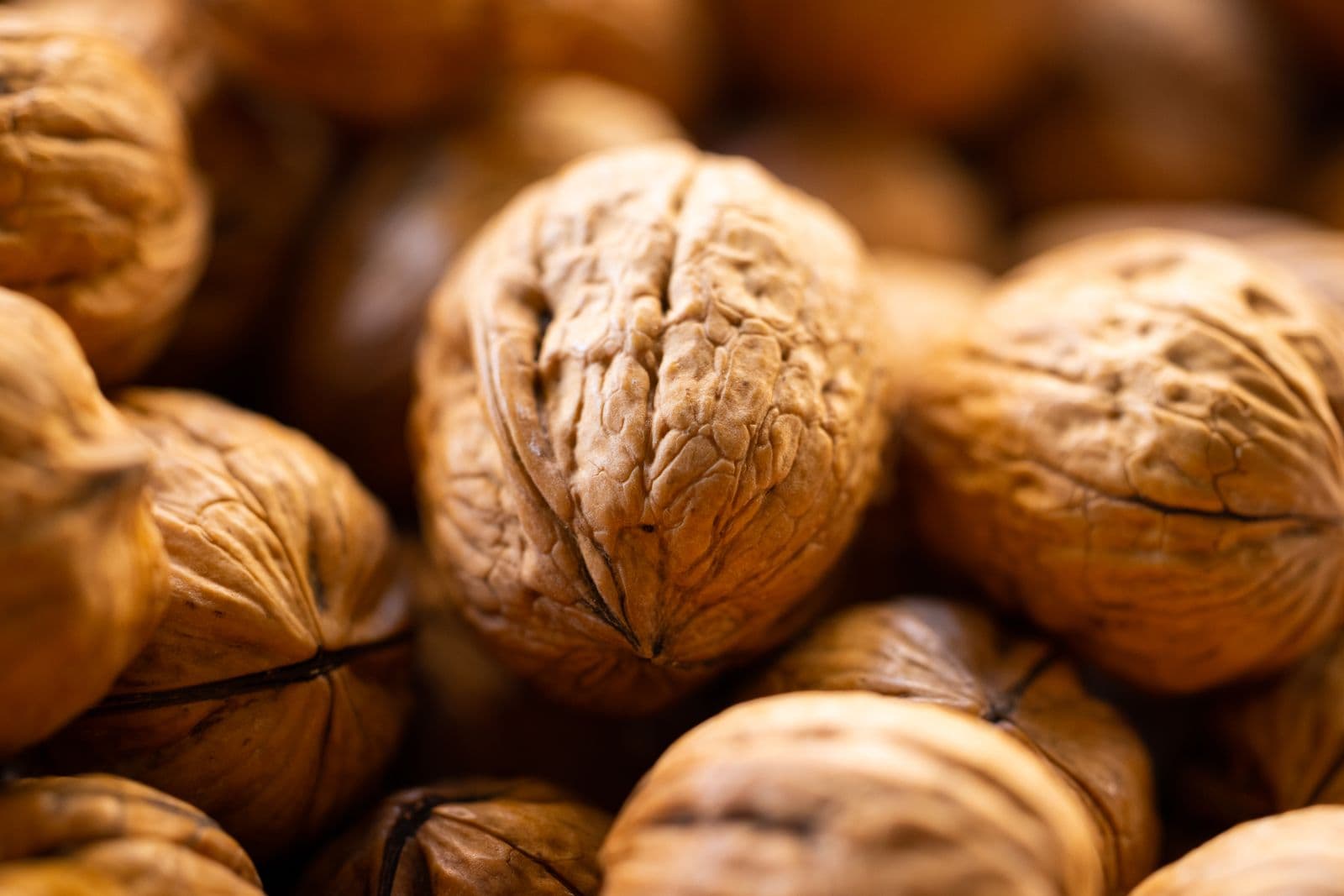
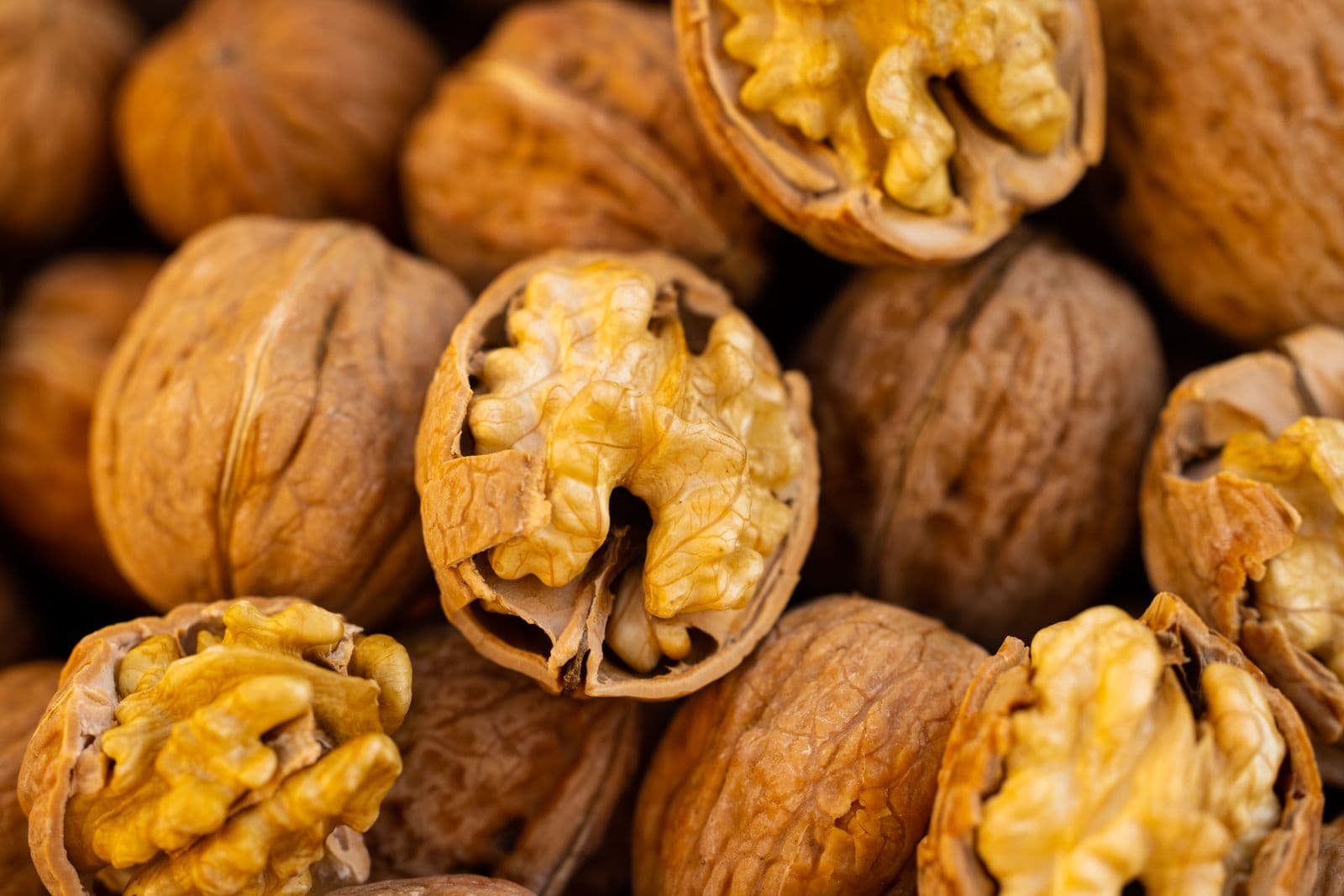
Kagzi comes from kagaz, the word for paper. It describes the shell, which is thin enough to crack in your hand, with a full kernel inside. Kagzi walnuts are sold in shell, so you open them as you eat them.
That is the reason people buy them. The kernel stays inside its shell until the moment you want it, and a bowl of walnuts in shell on the table, with something to crack them, is an easy way to serve guests. If you have not cracked walnuts by hand before, our guide to cracking walnuts in shell walks you through it.
Light halves: the palest kernels
Light halves are the palest kernels, kept whole. They are mild and buttery, and they are the grade most people buy for eating as they are. Because the halves are unbroken, they look good on a plate, on top of a cake or in a bowl of fruit and yoghurt.
Pick light halves when the walnut is the thing you taste first: a handful with tea, chopped over porridge, or laid on a dessert where people will see them.
Amber kernels: darker and fuller
Amber kernels are darker in colour, with a richer, slightly stronger taste. They are good value for baking, chutneys and cooking, where the walnut is mixed in and its flavour matters more than how pale it looks.